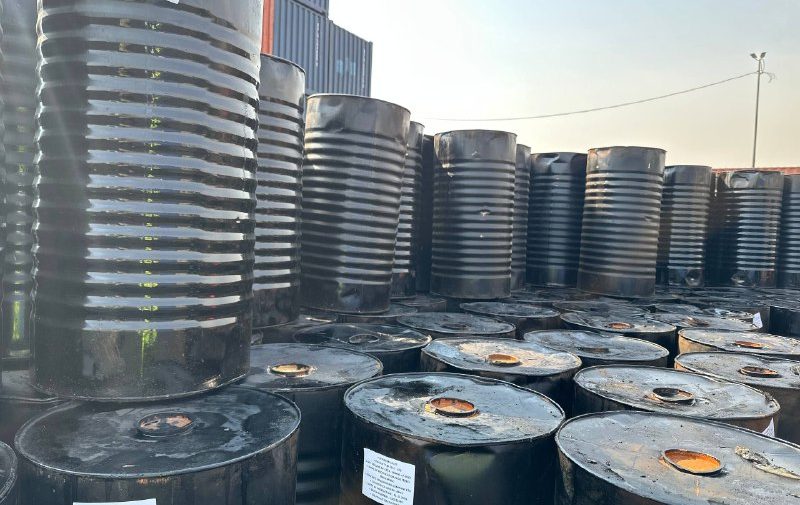

Understanding the Global Bitumen Industry
Bitumen has always been essential for road construction, waterproofing, roofing, and large-scale infrastructure. As global development projects expand, the race to become the top bitumen supplier 2026 intensifies. Bitumen is derived from crude oil and undergoes refining processes to achieve varying grades suitable for different applications.
What Is Bitumen and How Is It Produced?
Bitumen is a black, viscous hydrocarbon material formed through fractional distillation of crude oil. During the refining process, lighter products like diesel and gasoline evaporate, leaving behind heavy residues. These residues are then processed into different bitumen grades.
Major Applications Across Construction & Infrastructure
Bitumen is widely used for:
- Road pavements
- Airport runways
- Waterproofing systems
- Industrial roofing membranes
Economic and Environmental Importance
Bitumen plays a critical role in global economies due to its use in transport infrastructure. Eco-friendly production and recycled materials are becoming critical as sustainability demands rise.
Market Overview for 2026
The global market for bitumen is projected to grow steadily as developing nations invest heavily in connectivity and industrial development.
Forecasted Growth Trends
By 2026, bitumen demand is expected to rise due to:
- Massive road construction projects
- Expansion of logistics networks
- Urbanization in Asia and Africa
Regional Demand Snapshot
- Asia-Pacific: Fastest growth driven by China and India.
- Middle East: High production capacity and large export volumes.
- Europe: Growing demand for polymer-modified bitumen.
Competitive Landscape
Producers compete in terms of production capacity, sustainability innovation, global reach, and pricing strategies.
Key Factors That Define a Top Bitumen Supplier 2026
The top performers differentiate themselves through quality, reliability, and innovation.
Quality Standards and Certifications
Leading suppliers comply with global standards like ASTM, EN, and ISO certifications.
Supply Reliability & Global Distribution
A wide logistics network ensures uninterrupted deliveries—critical for large infrastructure projects.
Innovation & Sustainability
Low-emission production, recycled inputs, and polymer-modified alternatives are becoming must-haves.
Leading Companies Competing for the Title of Top Bitumen Supplier 2026
While the “top bitumen supplier 2026” may vary by region, several global players stand out.
Multinational Petrochemical Leaders
Large oil corporations with global refining networks are among the top contenders, like Aljabal Holding.
Regional Middle Eastern Champions
Producers in the UAE, Saudi Arabia, and Bahrain dominate export markets thanks to abundant crude resources.
Asian Powerhouses
India, Malaysia, and China host fast-growing suppliers specializing in modified bitumen.
Comparison Table
| Feature | Multinationals | Middle East | Asia |
|---|---|---|---|
| Quality | High | High | Moderate–High |
| Global Reach | Excellent | Strong | Growing |
| Pricing | Premium | Competitive | Very Competitive |
| Sustainability | Advanced | Improving | Variable |
Bitumen Types Supplied by Top Manufacturers
Paving Grade Bitumen
Used primarily for roads.
Oxidized Bitumen
Ideal for waterproofing and roofing applications.
Polymer-Modified Bitumen (PMB)
Engineered for durability under heavy traffic.
Emulsion Bitumen
Eco-friendly and cost-effective for road maintenance.
Global Supply Chain Dynamics
Shipping, storage, and handling are crucial as bitumen must be transported at high temperatures in specialized tankers.
How to Choose the Best Supplier for 2026
Technical Specifications to Check
- Penetration grade
- Softening point
- Viscosity
Pricing Models
Long-term contracts often yield better pricing stability.
Service and Support
Top suppliers offer documentation, testing, and responsive customer service.
Technology & Innovation in Bitumen Production
Eco-friendly production methods such as warm-mix technologies are becoming standard.
Sustainability Trends Among Top Suppliers
Companies increasingly adopt carbon reduction processes and integrate recycled materials.
For additional sustainability insights visit:
🔗 https://aljabalholding.com
Case Studies of Infrastructure Projects Using Premium Bitumen
Highways
Durable paving-grade bitumen ensures long-term performance.
Airports
PMB improves runway resistance to aircraft loads.
Urban Road Networks
Emulsion bitumen helps reduce maintenance costs.
FAQs About the Top Bitumen Supplier 2026
1. How is the top bitumen supplier 2026 determined?
By evaluating quality, production capacity, logistics, pricing, and innovation.
2. What grade of bitumen is best for highways?
Paving-grade bitumen such as 60/70 or 80/100.
3. Are polymer-modified bitumen products worth the cost?
Yes—they provide longer lifespan and superior performance.
4. Which region produces the most bitumen?
Middle Eastern nations lead in production and exports.
5. How do suppliers ensure product quality?
Through lab testing, certifications, and strict QC procedures.
6. Is sustainable bitumen available?
Yes, many suppliers now offer low-carbon and recycled blends.
Conclusion
Choosing the top bitumen supplier 2026 requires understanding market trends, supplier capabilities, and product quality. With global infrastructure expanding rapidly, partnering with a reliable supplier will ensure long-term performance and efficiency. As sustainability grows in importance, suppliers investing in eco-friendly solutions will likely dominate the market.